
Stress & Recovery Self-Assessment: Free 2-Minute Quiz
Stress & Recovery Self-Assessment
Answer 8 questions to explore your current stress and recovery patterns and get a custom educational score based on your responses.
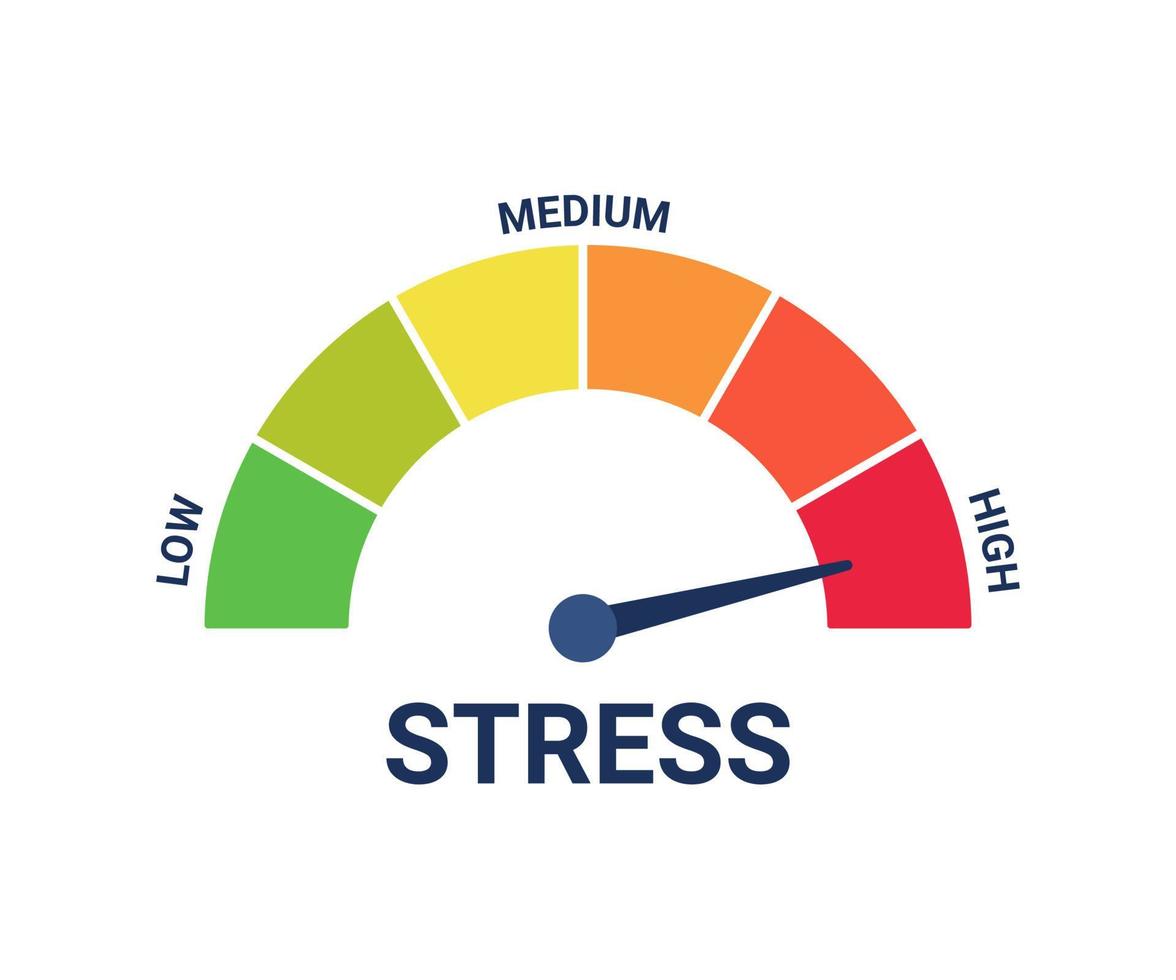
What is stress load? Stress can come from work, relationships, financial pressure, lack of sleep, illness, or other demands. This self-assessment looks at several of these areas and combines your answers into a custom stress-load score. The score is an educational reflection tool, not a measurement of cortisol or a clinical assessment.
About cortisol: Cortisol is a hormone involved in the body's response to stress and helps regulate several normal body functions. Cortisol follows a daily rhythm, and stress, sleep and other factors can influence that system. This tool does not measure cortisol and cannot determine whether your cortisol level is high or low.
This self-assessment may be useful if:
- You feel under more pressure than usual
- Your sleep or recovery habits have changed
- You rely on caffeine during demanding periods
- You want to reflect on your daily stress and recovery habits
- You want a simple snapshot of the areas you may want to monitor
Question 1 of 8
1. How would you rate your sleep quality over the past week?
Sleep and stress can influence each other, and poor sleep may affect how the body responds to stress.
2. How would you describe your current daily stress level?
This covers work pressure, financial worry, relationship strain, and general life demands.
3. How much caffeine do you consume daily?
Caffeine can affect alertness and sleep, and people differ in their sensitivity to it.
4. How often do you exercise in a typical week?
Regular physical activity supports physical and mental health, while training demands should be balanced with adequate recovery.
5. How would you describe your emotional state over the past two weeks?
Emotional stress can affect how you feel and how you respond to demanding situations.
6. Do you experience any of these physical symptoms regularly?
These symptoms can have many possible causes and are not specific to stress or cortisol.
7. How well do you recover and rest between your active days?
Regular recovery and downtime can help you manage demanding periods and maintain healthy routines.
8. How would you describe your ability to relax and switch off?
Difficulty switching off can be a useful sign that your current stress or workload may deserve attention.
Answer all 8 questions to unlock your result
0
What does your score mean? Your score is a custom summary of the stress, sleep, caffeine, activity, emotional and recovery answers you provided. A higher score means more of your answers fell into the higher-stress response options. It does not measure cortisol or indicate a medical condition. Use the breakdown below to see where your responses were concentrated.
Lower range
Score 0 to 19
Your answers suggest relatively few high-stress responses across the areas covered by this assessment.
Higher range
Score 20 to 34
Your answers show more frequent stress or recovery concerns. Consider the areas with the highest scores below.
Highest range
Score 35 to 57
Your answers show several higher-stress responses across the assessment.
These ranges are custom categories created for this self-assessment. They are not validated clinical thresholds.
Your Score Breakdown by Category
Your Biggest Area to Review
What Your Answers Show
Based on your specific responses across all 8 areas
What this score cannot tell you
- It does not measure cortisol.
- It cannot diagnose a stress disorder or burnout.
- It cannot identify the medical cause of fatigue, weight change or digestive symptoms.
- It cannot determine whether your hormone levels are normal.
Recommended Reading for Your Score
Sleep Quality Score
Fatigue Assessment
Understanding Stress: What It Does and Doesn't Explain
Sleep and Stress: How They Affect Each Other
Caffeine Timing Calculator
Activity and Recovery Planner
External Resources — Learn More From Experts
Harvard Health — Understanding the Stress Response
Mayo Clinic — Chronic Stress Puts Your Health at Risk
Cleveland Clinic — Cortisol: What It Is, Function, Symptoms & Levels
WebMD — The Effects of Stress on Your Body
NHS — Tips to Reduce Stress
Endocrine Society — Diagnosis of Cortisol-Related (Cushing's) Syndrome
Know someone who might benefit from this?
Share this free assessment with a friend or colleague who might be dealing with stress, burnout, or fatigue.
This tool is for educational and informational purposes only. It is not a medical diagnostic tool and does not replace professional medical advice. If you are experiencing significant stress-related symptoms, please consult a qualified healthcare professional.


Comments
Post a Comment