
Free Cortisol and Stress Load Calculator | Check Your Stress Score
Cortisol and Stress Load Calculator
Answer 8 questions to find your personalised stress score and understand how cortisol is affecting your body right now.
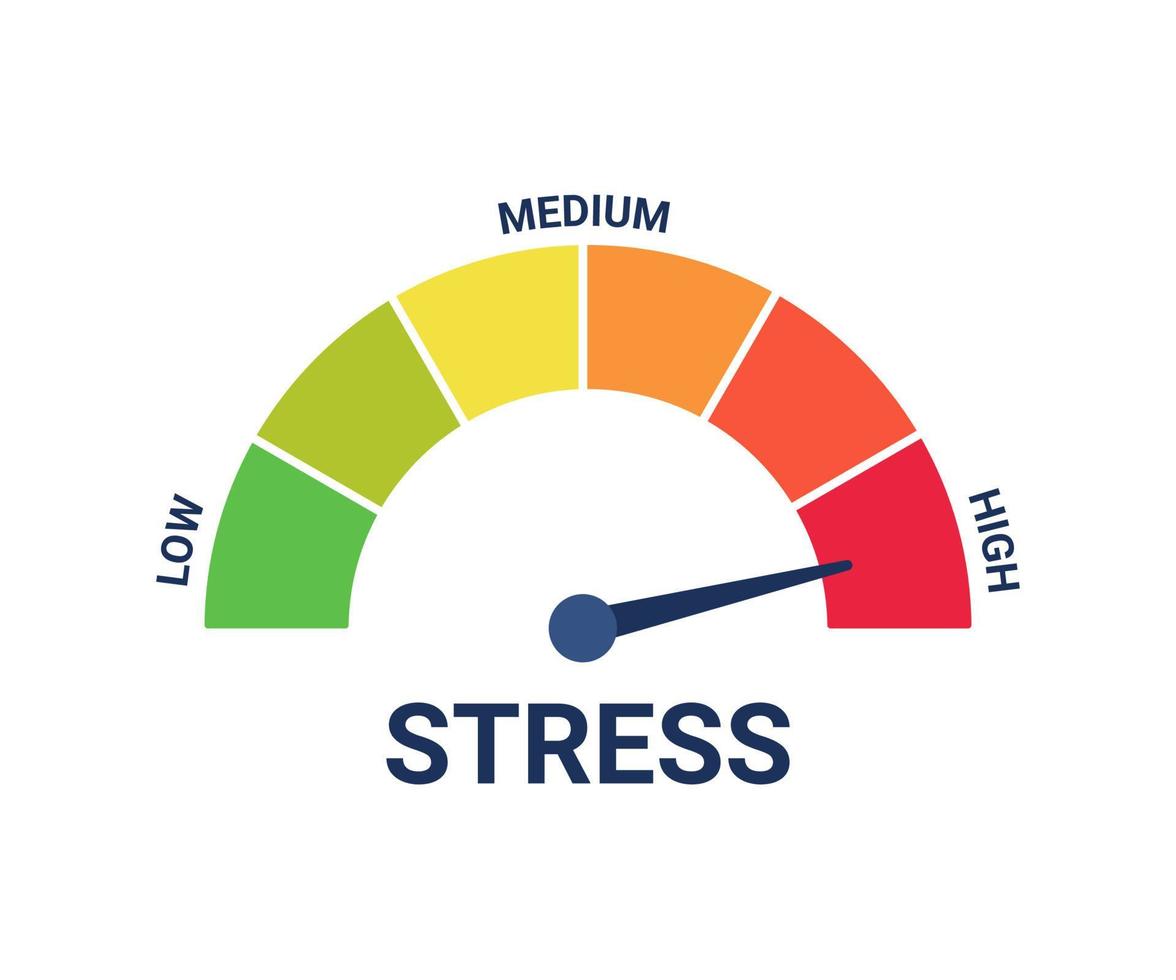
What is stress load? Stress load is the total demand your nervous system is managing at any given time. It includes physical, mental, emotional, and lifestyle stressors. When your stress load exceeds your recovery capacity, cortisol stays elevated — disrupting sleep, energy, mood, digestion, and immune function. This tool scores your current load across 8 key areas.
About cortisol: Cortisol is your body's primary stress hormone. In short bursts, it is useful and normal. But when stress is chronic, cortisol stays elevated for long periods — a pattern linked to fatigue, weight gain (particularly around the abdomen), poor sleep, brain fog, anxiety, and lowered immunity. Understanding your stress load is the first step to bringing cortisol back to a healthy range.
This tool is for you if:
- You feel tired but struggle to sleep or switch off
- You experience stress, anxiety, or emotional reactivity
- You have unexplained fatigue, weight gain, or digestive issues
- You rely on caffeine to function through the day
- You suspect your nervous system is in a chronic stress state
Question 1 of 8
1. How would you rate your sleep quality over the past week?
Sleep is one of the most direct regulators of cortisol rhythm.
2. How would you describe your current daily stress level?
This covers work pressure, financial worry, relationship strain, and general life demands.
3. How much caffeine do you consume daily?
Caffeine raises cortisol and adrenaline. Timing and amount both matter.
4. How often do you exercise in a typical week?
The right amount of movement lowers cortisol. Too little or too much adds to stress load.
5. How would you describe your emotional state over the past two weeks?
Emotional load contributes directly to cortisol output, even when causes are not obviously stressful.
6. Do you experience any of these physical symptoms regularly?
These are common physical signs that cortisol is running consistently above its healthy range.
7. How well do you recover and rest between your active days?
Recovery quality determines how effectively your body clears stress hormones between demands.
8. How would you describe your ability to relax and switch off?
The inability to relax is one of the clearest signs that the nervous system is in a sustained stress response.
Answer all 8 questions to unlock your result
0
What does your score mean? Your stress load score reflects the combined demand your nervous system is currently managing. A score above 20 means your cortisol is likely staying elevated beyond its healthy daily rhythm. A score above 35 means multiple body systems are being affected simultaneously. Use the breakdown below to see exactly where your load is concentrated.
Manageable
Score 0 to 19
Your stress load is within a healthy range. Keep supporting recovery habits.
Elevated
Score 20 to 34
Your system is under meaningful pressure. Targeted recovery action is needed now.
Critical
Score 35 or above
Your stress load is high. Your body is sending clear signals that need attention.
Your Score Breakdown by Category
Personalised Insights Based on Your Answers
Based on your specific responses across all 8 areas
Recommended Reading for Your Score
Is Your Nervous System Stuck in Survival Mode? 9 Warning Signs
Which Adaptogen Is Right for You? A Guide Based on Your Symptoms
Ashwagandha vs Rhodiola: Which Is Better for Stress and Fatigue?
7 Signs Ashwagandha Might Be Right for You
How Long Do Adaptogens Take to Work? The Honest Timeline
Free Nervous System Assessment Tool
Natural Ways to Support Cortisol Balance
External Resources — Learn More From Experts
Harvard Health — Understanding the Stress Response
Mayo Clinic — Chronic Stress Puts Your Health at Risk
Cleveland Clinic — Cortisol: What It Is, Function, Symptoms & Levels
Healthline — Cortisol: The Stress Hormone Explained
WebMD — The Effects of Stress on Your Body
NHS — Tips to Reduce Stress
About cortisol belly and weight: Elevated cortisol promotes fat storage, particularly around the abdomen. If you carry weight around your midsection despite a reasonable diet, chronic cortisol elevation is one of the most overlooked contributors. Reducing your stress load through sleep, adaptogens, and recovery practices addresses this at the root level.
Know someone who might benefit from this?
Share this free calculator with a friend or colleague who might be dealing with stress, burnout, or fatigue.
This tool is for educational and informational purposes only. It is not a medical diagnostic tool and does not replace professional medical advice. If you are experiencing significant stress-related symptoms, please consult a qualified healthcare professional.


Comments
Post a Comment